
ServicesTerm Life Insurance
Term Life Insurance in Vista, CA
A term policy protects your family for a chosen number of years, usually the stretch when your paycheck carries the most weight at home. Share some basic details through our short form, and the agent who reaches out will walk through sensible lengths and amounts with you.
Coverage with a clear start and a clear end
A term policy runs for a period you choose, most often 10, 20 or 30 years. If you die while it is in force, the coverage amount goes to the beneficiary you named. If the period ends and you are still here, the policy simply stops, with nothing paid out.
People often lean toward term because the costs they think about most will not last forever. A mortgage reaches its last payment, children grow up and leave, and a partner may count on your earnings only for a certain stretch of working life. Unlike whole life, which lasts as long as you do and carries cash value, term covers only the years you set aside.
Our role is the introduction. Answer a few questions in our short form and your details are passed on, so the conversation about term lengths and amounts can begin.
What you settle on with a term policy
The length of the term
Everything else follows from this choice. A lot of people match it to the year their mortgage is paid off or to when the youngest child should be independent.
The amount of coverage
One rule of thumb adds several years of your income to the debts you would want cleared. Treat that figure as a way to start talking, not a recommendation for your situation.
Who receives the money
You decide which beneficiary gets the payout. If you want to split it between two or more people, the agent can show how that works on the policy in front of you.
What happens at the end
Coverage stops when the term is over. Certain policies give you options at that point, so ask the agent what a specific policy permits before you sign.
An unhurried conversation
The agent asks, explains and then steps back so you can decide. Nothing has to be settled the first time you talk.
Situations where people often choose term
- Years still left on a home loan
- If your family would struggle with the payments on their own, many people pick coverage that runs until the loan is paid off.
- Kids who still depend on you
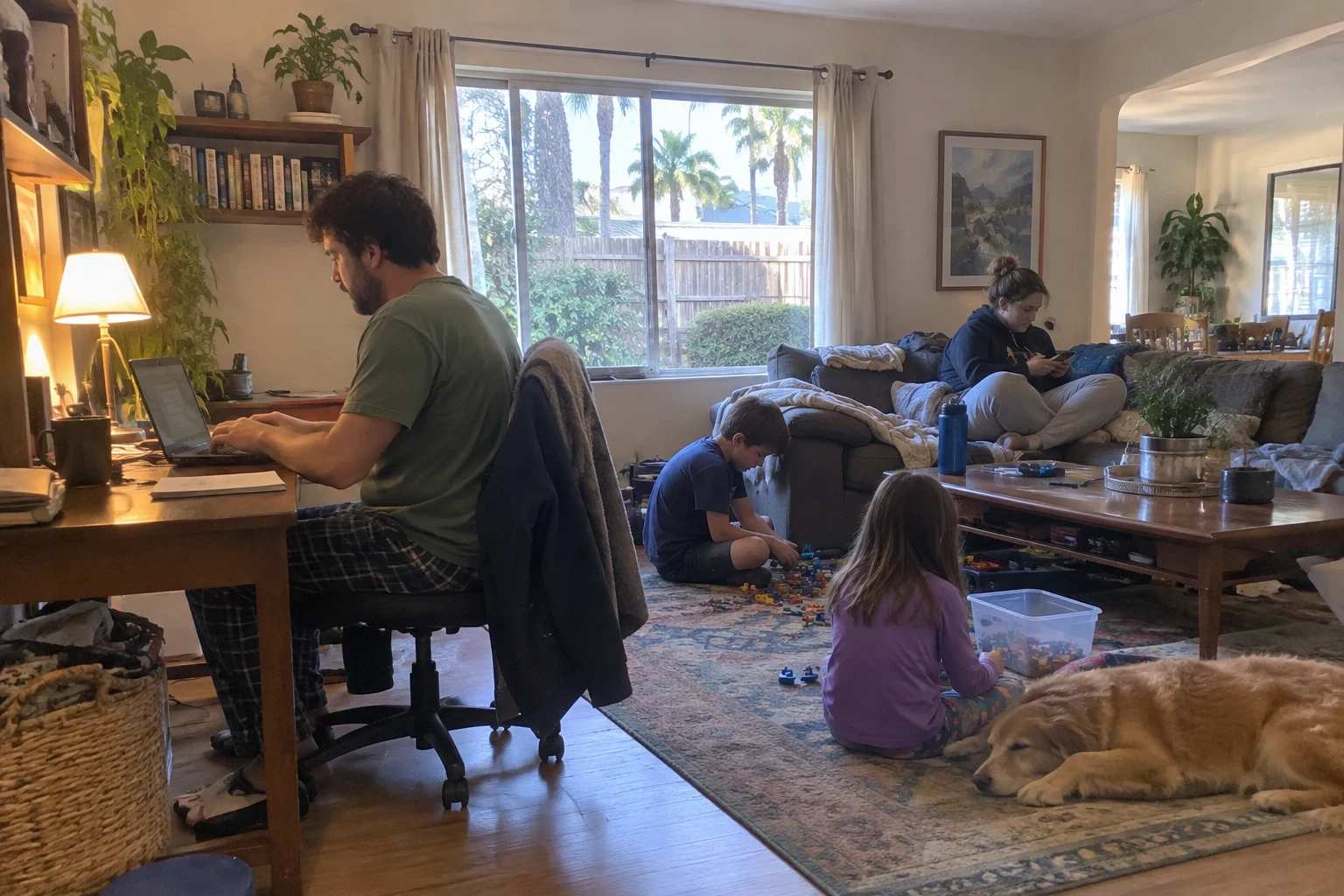
- Many parents want a policy in place for the years their children rely on them, from school expenses to everyday groceries.
- Someone counts on your paycheck
- When a partner or relative would lose your earnings, term coverage can replace part of that income for the years it matters most.
- Loans that will be paid off
- Car loans and personal loans shrink over time. Coverage can be set to match those balances until they reach zero.
- A preference for simple protection
- Some people want coverage for a set period without extra features attached. Term is built for exactly that.
How it works from here
- 1
Answer a few questions
Complete our short form on this page. It takes about two minutes and asks only for what is needed to get started.
- 2
A licensed agent reaches out
Someone licensed to sell life insurance where you live contacts you and asks what you want the policy to do for your family.
- 3
Match the term to your milestones
Expect questions such as how many years are left on your home loan, how old your children are, or whether your job already includes some life coverage. Your answers help narrow the length and amount to the years that matter to you.
- 4
Decide in your own time
Review what you are shown and choose whether to go ahead. You are never required to buy.
What shapes the price of a term policy
We do not set prices and we do not show them. Price, approval and the coverage itself are decided by the insurance company, not by us. With term life, two of the choices you make yourself carry real weight in what an insurer offers. Having them in mind before you talk makes the conversation with the agent easier.
- How long the term runs
- A longer period of coverage generally affects the price. Linking the length to a real milestone, such as a final loan payment, keeps you from paying for years your family does not need covered.
- How much the policy pays
- A larger coverage amount protects more and is priced accordingly. Beginning with a clear purpose, for example the mortgage balance plus some years of income, keeps the number grounded.
- Your age, health and tobacco use
- Insurers look at how old you are, your health and whether you use tobacco when the policy begins. Those details are locked in at the time you apply.
Term life questions people ask
- What happens when my term ends?
- The policy stops, and if you are still living, no money is paid. Some policies offer choices once the period is over. Ask the agent what the specific policy you are considering allows, so you know before you sign.
- Do I have to pick 10, 20 or 30 years?
- Those are the lengths you will see most often, though insurers differ in what they make available. The agent can tell you which lengths are on offer and help you match one to the years you want covered.
- How much coverage do people usually choose?
- A common starting point is a rule of thumb: several years of your income plus what you still owe, such as the balance on a mortgage. Every family's needs differ, so treat that figure as a place to begin the conversation, not advice for your own case.
- Does it cost anything to use your service?
- No. Being introduced to an agent is free for you. If you decide to buy a policy, that agreement is between you and the insurance company.
- Will I be pushed into buying a policy?
- No. Listen to the options, ask any questions you have, and stop there if nothing feels right. There is no obligation, and the choice stays with you.
Picture the years you want covered
Share some details about your situation in our short form. People in Vista and nearby towns such as Oceanside, San Marcos and Escondido can use it, and you will have term options to weigh at your own pace.
- Takes about two minutes
- No obligation to buy
- Your details stay private
Free, no obligation
See your coverage options
Six short questions. About two minutes.